
Jobs for 13 to 15 Year Olds in the UK
Getting your first job as a teenager can be exciting — it’s a chance to earn your own money, gain independence, and start building valuable skills. If you’re aged 13 to 15, there are strict rules around the type of work you can do. You’re only allowed to do “light work,” and your hours are restricted — usually just weekends or school holidays. You’ll also need a work permit from your local council before you can start.
While this does limit your options, there are still plenty of opportunities to explore. Here are some ideas for jobs that young teenagers can do, plus tips on where to find them.
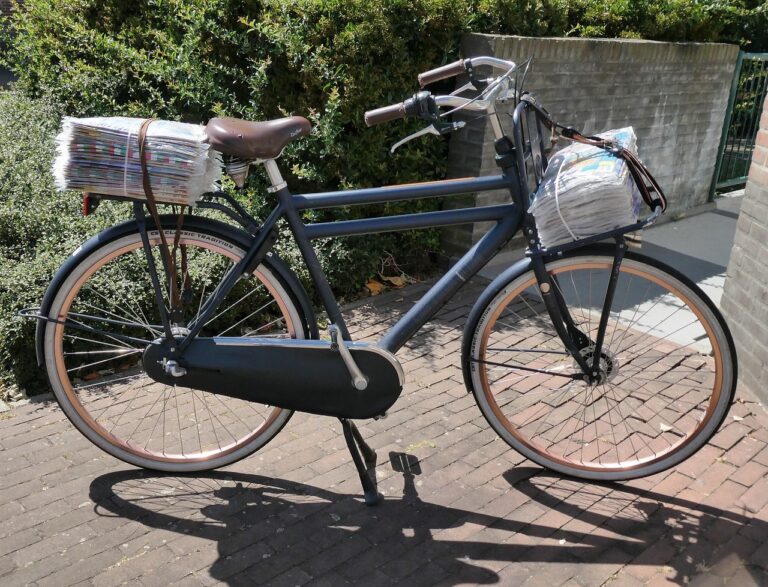
Paper Rounds
A classic first job for many teenagers, delivering newspapers or leaflets is a great way to earn pocket money while getting some fresh air. Don’t just check your local newspaper — community magazines, free advertising booklets, and leaflet delivery companies often look for young helpers. Sometimes, these roles only require a couple of hours a month, which can be perfect if you’re balancing schoolwork and activities.
Shop Assistant (Light Duties)
Some shops may hire younger teens to help with tasks such as tidying shelves, restocking items, or general cleaning. In practice, many shops prefer to take on staff aged 16 and over, but it’s worth asking smaller, independent shops if they would consider a younger worker. Even if they can’t offer a role straight away, making contact shows initiative and could lead to opportunities later on.
Café or Restaurant Helper
Helping out in a café or small restaurant is another possible job. Duties might include clearing tables, serving soft drinks, or washing up. Some family-run cafés and local businesses are more open to taking on younger teens — often because they know the family personally. It’s worth asking in your local area if you spot a business that looks like it could use an extra pair of hands.
Office Junior
Office work is less common for under-16s, as many employers prefer to hire older teens. However, if you have family members or friends who run an office-based business, they might be open to giving you some light tasks such as filing, photocopying, or sorting post. This can be a great introduction to the world of work in a professional setting.
Other Employment Opportunities
If you’re struggling to find traditional jobs, there are plenty of other ways to earn money and gain experience:
- Babysitting: Once you’re 14, babysitting can be a flexible way to earn extra money. Many parents prefer to hire someone local who they know and trust.
- Pet care and dog walking: If you love animals, offering to walk dogs or feed pets while neighbours are away can be both fun and rewarding.
- Yard or garden work: Simple tasks like weeding, watering plants, or mowing the lawn are often jobs people are happy to pay a teenager to help with.
- Tutoring younger children: If you’re strong in a particular subject, you could offer to help younger kids with homework.
Where to Find These Jobs
- Local newspapers and noticeboards: Paper round vacancies are often advertised here.
- Community centres and parish halls: Check noticeboards for families or businesses looking for help.
- Word of mouth: Ask family, friends, and neighbours if they know of anyone needing a hand — many jobs for younger teens are informal.
- Local Facebook groups: Parents and small businesses sometimes post opportunities here.
- Leaflet delivery companies: Look online for companies that recruit locally.
Legal Limits on Working Hours
The child employment law is clear about how many hours children can work in the UK:
- On a school day, you can work a maximum of 2 hours.
- On Saturdays during term time, you can work up to 5 hours (13–14 year olds) or 8 hours (15 year olds).
- On a Sunday, the limit is 2 hours.
- During school holidays, you can work up to 25 hours a week (13–14 year olds) and 35 hours a week (15 year olds).
These restrictions are there to ensure school, rest, and play remain the main focus at this age.
Final Thoughts
Finding a job between the ages of 13 and 15 can take some persistence, but it’s absolutely possible. Whether it’s delivering papers, helping out in a café, or earning money through babysitting or dog walking, these early roles are a brilliant way to learn responsibility, develop skills, and enjoy the pride of your first pay packet.